

October 22, 2026
Can Fluid Condition Reveal Engine, Cooling, or Drivetrain Problems Before a Breakdown?
Fluid condition can warn fleets about engine, cooling, transmission, and axle problems before failure. Learn what oil, coolant, and drivetrain fluids can reveal—and why Hayward and Reno duty cycles make trend-based inspections especially valuable.
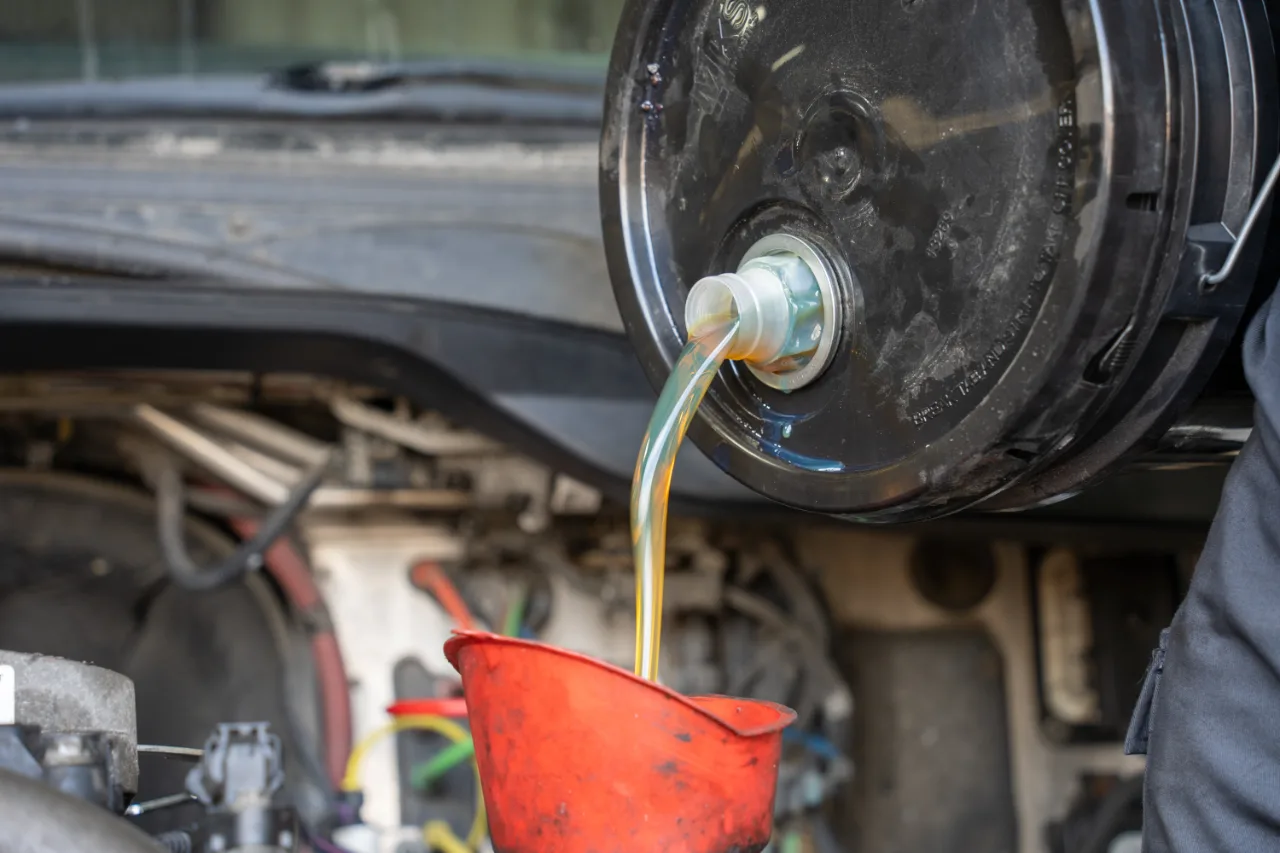
A truck can have the correct fluid level and still be developing an expensive problem. Burnt smells, metal particles, contamination, unusual viscosity, or fluid that keeps disappearing may tell you something a dipstick reading alone cannot.
The real warning often comes from a change in fluid condition, not simply whether the reservoir is full. Catch that change early, and your fleet may have an opportunity to diagnose the cause before a roadside failure follows.
Why Does Fluid Condition Matter for Fleet Maintenance?
Fluids lubricate, cool, protect, and, in some systems, transfer hydraulic pressure. Engine oil protects moving engine components, coolant transfers heat, and transmission and differential lubricants reduce friction and wear throughout the drivetrain.
That makes routine fluid inspection valuable for more than checking service intervals. Changes in smell, colour, consistency, contamination, consumption, or temperature can provide clues about what is happening inside a component.
Fleet managers should pay attention when:
- Fluid levels repeatedly fall after being topped off
- Engine oil smells strongly of diesel fuel
- Coolant becomes oily, rusty, cloudy, or unusually discoloured
- Lubricants contain visible metal particles
- Transmission fluid develops a burnt smell
- Differential lubricant leaks around axle seals
- Fluid appears foamy or milky
- Oil or coolant consumption suddenly increases
- Fluid-temperature warnings become more frequent
- Maintenance records reveal a new consumption trend
One unusual observation does not automatically diagnose a failed component. A repeated change, especially when paired with operating symptoms, deserves investigation.
What Can Engine Oil Condition Tell You About a Diesel Engine?
Dark oil gets plenty of attention, but dark diesel engine oil alone does not prove that an engine is failing. Diesel oil can darken during normal operation as it holds combustion byproducts and contaminants in suspension.
What matters more is a change from the truck's established pattern. Oil that suddenly becomes unusually thin, thick, fuel-scented, contaminated, metallic, or rapidly consumed can justify further testing.
Possible concerns include fuel dilution, internal coolant contamination, excessive engine wear, combustion problems, turbocharger-related oil consumption, or service intervals that no longer match the unit's operating severity.
Watch oil consumption, too. If a Class 8 tractor suddenly needs substantially more make-up oil between services, documenting the change gives technicians more useful information than simply topping it off and sending the truck back out.
What Does Coolant Condition Reveal?
Coolant condition can point toward problems in both the cooling system and the engine itself. Coolant absorbs engine heat before carrying that heat toward the radiator, making proper condition and concentration essential to temperature control.
Look for repeated coolant loss, oil contamination, rust, sediment, unusual colour changes, incorrect concentration, and visible leakage around hoses, pumps, reservoirs, or connections.
Repeatedly adding coolant is not a repair. If the level keeps dropping, the fleet should identify where the coolant is going.
That becomes especially important as Reno moves deeper into autumn. Reno-Tahoe International Airport has an October 1 normal high of about 77°F and low of 45°F, with temperatures declining through the month. Correct concentration and freeze protection therefore deserve attention before colder mornings become routine.
What Warning Signs Can Transmission Fluid Show?
A burnt smell, unusual darkening, foaming, visible metal, low level, or leakage can indicate that transmission fluid needs closer inspection. Symptoms such as delayed shifting, harsh shifts, slipping, overheating, or abnormal noises make those observations even more significant.
Do not assume every heavy-duty transmission uses the same lubricant or checking procedure. Automatic, automated manual, and manual transmissions differ, and technicians should follow the transmission manufacturer's specified fluid, inspection, and service procedure.
For high-mileage regional freight trucks, tracking changes over consecutive PM services can be more useful than judging fluid from one inspection alone.
Can Differential Lubricant Warn You About Drivetrain Problems?
Yes. Differentials operate under considerable pressure while transferring torque to the axle shafts, so proper lubrication is critical.
Differential lubricant that contains metal, smells burnt, shows water contamination, drops below the proper level, or develops an unusual appearance can indicate a developing problem. A leaking axle seal deserves attention as well.
There's another reason not to shrug off an axle leak: lubricant migrating toward nearby wheel-end or brake components can turn one maintenance problem into a broader safety concern.
Loaded tractor-trailer combinations running long stretches of I-80 around Reno or working Bay Area freight corridors can place sustained loads on drivetrain components. That makes leak inspections and lubricant history valuable parts of preventive maintenance.
What Can Power Steering and Hydraulic Fluid Tell You?
Low, foamy, burnt, discoloured, or leaking power steering fluid can indicate that the steering system needs inspection. Changes should be considered alongside symptoms such as abnormal steering effort or pump noise.
For construction and vocational trucks, hydraulic fluid contamination can also provide clues about wear or contamination in auxiliary equipment. Again, compare observations with manufacturer specifications rather than judging every fluid by colour alone.
How Does Fluid Analysis Improve Preventive Maintenance?
Visual checks have limits. Laboratory fluid analysis can sometimes identify conditions that are difficult or impossible to confirm during a walk-around inspection.
Depending on the fluid and testing program, analysis may identify:
- Wear metals
- Fuel dilution
- Coolant contamination
- Soot
- Water contamination
- Additive depletion
- Abnormal viscosity
The biggest fleet-management advantage is trend analysis. One sample provides a snapshot; repeated samples from the same truck can show whether contamination or wear markers are increasing, stabilizing, or returning after corrective work.
That information can help fleets make maintenance decisions using evidence rather than waiting for a warning light or breakdown.
Why Do Hayward Fleet Duty Cycles Affect Fluid Maintenance?
Hayward trucks frequently mix highway travel with industrial stops, distribution work, idling, and shorter local runs. In the City of Hayward, truck-based goods move between regional highways, the Port of Oakland, local residences, and businesses.
Routes such as I-880, SR 92, Industrial Boulevard, and Clawiter Road put distribution fleets through operating conditions that can differ significantly from steady interstate cruising. The city also identifies congestion and truck-access concerns around Clawiter Road, SR 92, and I-880 within its industrial corridor.
For fleets working those routes, maintenance planning may need to consider engine hours, idle time, and severity of service, not mileage alone.
October in Hayward is better treated as a post-summer maintenance window than a traditional winterization deadline.
Why Does Reno Require a Different October Fluid Strategy?
Reno fleets face a different pattern. Trucks running I-80 or I-580/US 395 may shift from urban work to sustained highway operation, elevation changes, longer regional hauls, and colder overnight conditions.
October therefore provides a useful transition point for checking coolant freeze protection, manufacturer-specified oil viscosity, transmission lubricant condition, differential lubricant, and cooling-system leaks.
The objective is not to replace every fluid because the calendar changed. Instead, compare fluid condition and maintenance records against the truck's workload and prepare each unit for conditions it will actually face.
What Should Fleet Managers Do When Fluid Condition Changes?
Treat an unexplained change as information. Record what changed, compare it with previous PM records, inspect for leaks, note related operating symptoms, and use manufacturer-approved testing or laboratory analysis where appropriate.
For fleets operating in Hayward or Reno, Pacific Truck & Tractor can help inspect suspicious fluid loss, contamination, cooling concerns, and drivetrain symptoms before they turn into unplanned downtime. Schedule your professional fluid inspection before a unit starts behaving differently rather than waiting for the difference to become a breakdown.
Call:
Hayward, CA: 510-314-0879
Reno, NV: 775-447-3956
FAQs
Does dark diesel engine oil mean the engine is failing?
No. Diesel engine oil commonly darkens during normal operation. A sudden change in viscosity, strong fuel smell, metal contamination, coolant contamination, abnormal consumption, or a change from the truck's established history is more informative than colour by itself.
Can coolant reveal an internal engine problem?
Yes. Depending on the failure, oil contamination in coolant, repeated unexplained coolant loss, or unusual coolant condition can justify checking for internal as well as external problems.
What does metal in transmission or differential fluid mean?
Visible metal can indicate component wear, but the amount and type matter. A technician or laboratory analysis can help determine whether the material is normal for the application or evidence of abnormal wear.
How often should fleets use oil or fluid analysis?
There is no single interval that fits every fleet. Analysis works best when incorporated into a consistent preventive-maintenance program so results from the same truck can be compared over time.
Should fluid service be based on mileage alone?
Not always. Manufacturer requirements come first, but severe-duty operation, engine hours, idle time, load, temperature, and operating environment may affect maintenance planning.
Conclusion
Fluid condition can provide an early warning of developing engine, cooling, transmission, and axle problems, but fleets need to look beyond the fill line. Recurring loss, contamination, unusual smells, viscosity changes, metal, and long-term trends can help identify trouble while there is still time to investigate it on your maintenance schedule.